PPV and Rapidly Changing Conditions

Posted 05/13/2010 by IRONSandLADDERS
Categories: 4. Ventilation

Tags: , , , ,

 We have all seen multiple videos out there of PPV mixed in with some other factors causing some very dangerous conditions. We understand that some departments heavily use PPV, some do not use it at all, and many others will use it with certain conditions. We are not here to take on this never ending argument, but rather we take a close look at what can go wrong and how to prevent this if your department does use fans. Many of our mentors have explained how one of the most dangerous tools on the trucks can be the fans if used without the proper understanding and conditions. The most dangerous combination is by instructing a firefighter to blindly place a fan at the door every time without paying attention to construction, fire location, pre-fan conditions, and even more importantly to the conditions after it has been placed. If we use fans we must be very educated and well versed on what can go right and what can go wrong during the operation. Anyone that has comments regarding what you’re looking for, contradictions, personal experiences of when it may have worked good or bad, please share so all of us can learn. As always we will not post comments that are strictly made to bash departments that are in this video or are otherwise not constructive.   

Here is a great video put together of a recent incident that occurred. Thanks PJ for tipping us off to this video from www.firefighterspot.com  

 Vodpod videos no longer available.  

more about “PPV Change“, posted with vodpod


Troubleshooting Standpipe Problems

Posted 05/02/2010 by IRONSandLADDERS
Categories: 2. Hose Work

Tags: , , ,

We have saved this next post as a PDF so that you can download it and throw it around the kitchen table or take it out to the tower and put it to the test. This is a great piece put together regarding many of the different problems we can encounter while operating off of a standpipe system. This offers different scenarios from the time the water comes out of the hydrant to the time it leaves the nozzle and all of the other failure points in between. By preparing for these problems before hand, we will be able to react much more quickly on the real thing.

Below is an introduction by the author, Les Chapel. Then click on the picture for the entire version.

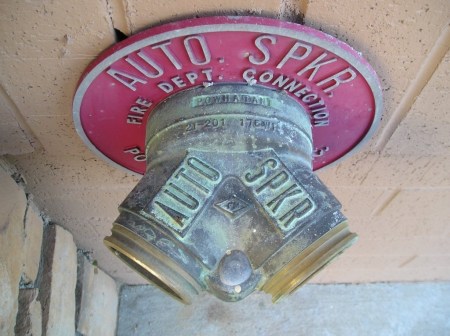
Standpipe and sprinkler systems are often overlooked. The female connections on a FDC may be missing or packed with crud for sometime before anybody notices there is a problem. Hopefully any problems are noticed and corrected before the system needs to be used.

 I’d like to offer some scenarios that your crew can discuss or set up at the training tower, if one is available, to help recognize and train in correcting any flow or pressure fluctuations that may arise while operating attack lines from a standpipe system.

May 30th Hands On Forcible Entry Course

Posted 04/26/2010 by IRONSandLADDERS
Categories: 1. Forcible Entry

Tags: , ,

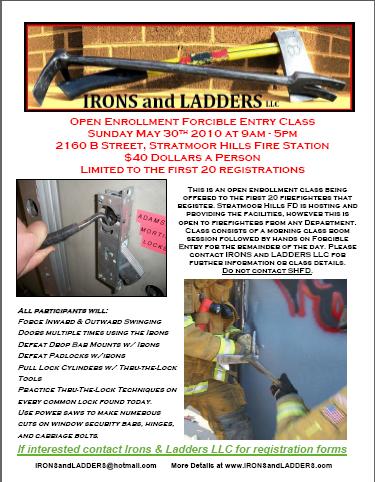
There will be a hands on forcible entry class on May 3oth. Stratmoor Hills FD will be hosting IRONS and LADDERS LLC. This is an open enrollment class for any firefighters interested and is limited to the first 20. Click on the flyer below for a larger printable version with all the details of this class.

For registration or more information email ironsandladders@hotmail.com or call Ryan 719-660-4740, Bryan 719-331-7284, or Nick 719-649-8060

Video Training: Smoke Explosion?

Posted 04/14/2010 by IRONSandLADDERS
Categories: 7. Everything Else

Tags: , , ,

This video has been making the rounds for a while now. We have not posted it on here yet, and we think it is worth seeing. You can see the first companies arrive on scene and everything seems to be going pretty well. First line is being stretched and is ready to advance. Ladders are being thrown and what appears to be in preperation for ventilation. A second line has been stretched. You can see one or two guys get a good look at the building on all sides. Nothing out of the ordinary, and it is all being done calmly and quickly. Thats when we get to the meat of this video, where the fire behavior changes very rapidly. Take a look.

 
Vodpod videos no longer available.
 

Any thoughts on what caused this? How would you react? Any tactics you would change or perform afterwards? If this is what you had showing upon arrival, what would your assignments have been?  Throw your thoughts out there for all of us to hear if you have some.

Bevel to the Door vs. Bevel to the Jamb

Posted 04/05/2010 by IRONSandLADDERS
Categories: 1. Forcible Entry

Tags: , , , ,

Bevel to the door or bevel to the jamb?…..that is the question. The main intention of this article is to compare the differences in the two ways the fork end of the Halligan can be used on inward swinging doors. Both ways can be used  with very effective results, but knowing why we choose to use one way or the other is important. They both have advantages and disadvantages, but as long as we recognize these advantages and use them in conjunction with each other it makes for a great combination. For clarification we refer to the bevel as the outside of the curve, it will be much clearer when looking at the pictures. This comparison applies to Pro Bar Halligans, although some of the info will pertain to other bars, it is written based of the use of the Pro Bars.

After we obtain a proper gap of the door(  based on wood or metal jambs) we must move to our fork and choose to either place the bevel to the jamb (as seen below) or bevel to the door. First we will cover bevel to the jamb. Bevel to the jamb allows us a few advantages when setting the tool to the proper depth. As you can see below the angle of the fork wants to naturally guide itself around the door. Because of this angle it leaves us with much less resistence on a metal frame, and it also helps prevent us from sinking the teeth into a wood jamb. While guiding our bar away from the door while it is being struck we keep the fork moving smoothly around the door. Our disadvantages come after we have the tool set and we are ready to force. This will be discussed below. The next two pictures show the fork being set with the bevel to the jamb.

Next we have Halligan being set with the bevel towards the door. This is probably the most common way setting a Halligan is taught, which is fine as long as we know the potential problems we have to overcome. You can see the curve of the tool is wanting to guide the forks into the frame. This can cause us to feel more resistence when it is hitting a metal frame, or creates much more of an oppurtunity to drive the forks into the jamb if it is wood. The Halligan firefighter has to pay complete attention to guiding the forks in to prevent us from hanging up on the frame. Solid pressure on the tool away from the door as it is being driven is a must to allow it to sink easily to the proper depth.  This is the disadvantage of setting the tool with the bevel to the door but the advantages come later. The next two pictures show the halligan being set with the bevel to the door.


If we haven’t lost you to boredom yet, we can now see the remaining advantages and disadvantages. As you see below we are back on the bevel to the jamb. As stated above the bevel to the jamb is easier to set and guide around the door to the proper depth. Where the disadvantage comes in is when we apply the force. The picture below is showing the Halligan applying full force. You can see that the gap it has created is relatively minimal. This is because we are not using the designed leverage point of the Halligan and we have also gone against the design of the forks. This still does not mean this way is wrong because many times this is all the leverage we are going to need, however we need to remember that the Halligan provides more leverage in other ways if it is needed.

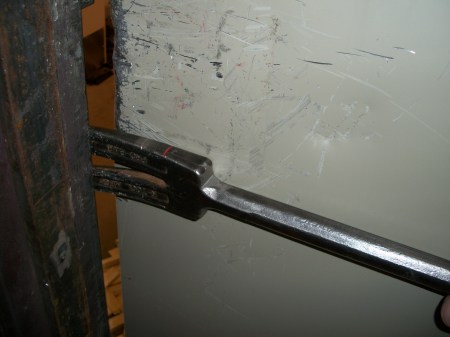
The last picture(above) shows us bevel to the door being used. If you scroll back and forth between this picture and the one above it you can see the difference in the gap. We stated earlier that the bevel to the door can be more difficult to set if the door is tight, but as you can see when the bar is set it applies much more leverage. When the bevel is placed to the door it uses the characteristics of the tool to their full potential leverage. The forks grab hold of the backside of the frame and the high point of the bevel is being pushed against the door.

In summary neither way is right or wrong as long as you know why you are placing the bevel the way you choose. Different doors, jambs, and lock setups will call for different ways to put the bevel. A metal frame and metal door that is secured very tightly may call for the bevel to the jamb so that you can set it easier. However if we choose bevel to the jamb and don’t get the leverage we need, we can put a chock in the door or an axe and hold the gap we made. We can then pull the Halligan out and reverse the bevel and continue applying force with the bevel to the door.

This can go on and on, but it is only intended to illustrate the major differences in how you place the bevel. We know this is getting technical, but practicing the different ways regularly makes it become second nature on which way to place it. Again this is just another back to the basics post, nothing new, nothing that we invented. Just passing on great technique tips that has been passed on to us.  After this long-winded writeup there is really a simple way to sum it all up:

Bevel To the Jamb= Easier to set, Less leverage to force

Bevel To The Door= Harder to set, More leverage to force
 

LESSONS and LADDERWORK

Posted 04/01/2010 by IRONSandLADDERS
Categories: 5. Ladder Work

Tags: , , ,

The Two Knuckleheads wanted to remind you about  the next class they have been working on presented by Captain Pat Nichols. The guys behind this have put in a lot of their time and own money to offer a low priced class that is accessible to firefighters in the area. They have worked hard to do their part in making us all better at our jobs. I want to thank them for sending over the information and please contact them soon to get your seat.

Click the picture for an update written by the Two Knuckleheads regarding the class and payment instructions

If you have not seen the original printable flyer for this class you can look at an updated version below. This gives you the details of the classes, time and location.

May 3rd Class Flyer (Printable Version)

Door Size Up #4

Posted 03/26/2010 by IRONSandLADDERS
Categories: 1. Forcible Entry

Tags: , , , ,

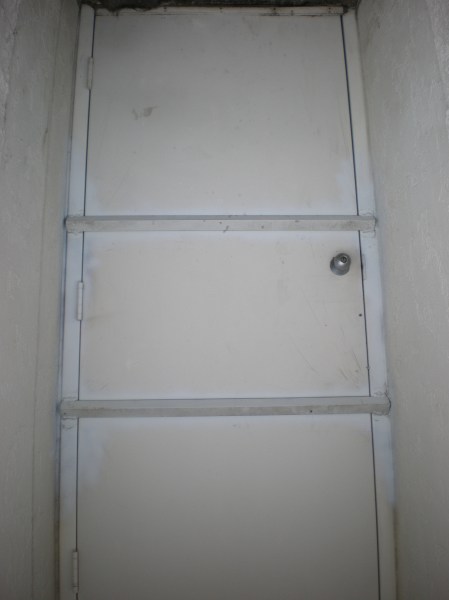
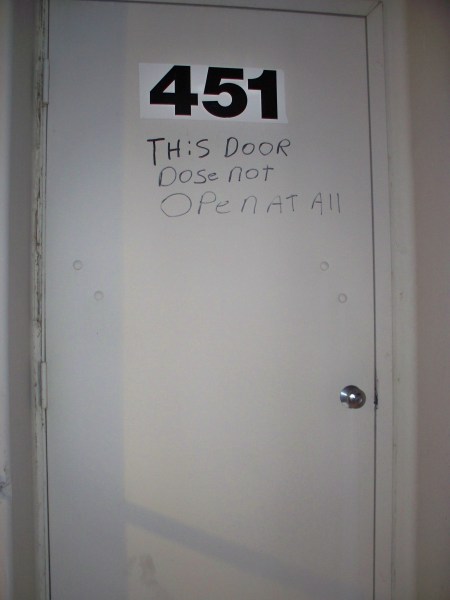
This version of the door size up series is a little different than our previous ones. Below we have multiple doors that have a few things in common. Sometimes the most important part of door size up is recognizing when to move on to another door. Obviously some buildings may have all of their doors that are equally secured and they will all give you trouble. However some doors like the ones below would have been your worst choice to start your forcible entry operations.

These doors all have signs telling us that they are not used very often, or not at all. If they appear they have not been used in years, there is probably a reason. Sometimes we just have to trust what the size up is telling us and move on. Here are the examples.

Door  1

The first door has obvious signs on the outside that it is not being used any more. You can see it has two pieces of steel welded to the frame, covering the outward swinging door. The other side of this door has been covered and walled over. In the lower picture the door would have been behind the shirts that are hanging.

Door #2 

This door would have appeared to be pretty straight forward from the outside and has common security features showing. Luckily someone tried to warn us on the door that this is a poor choice to make entry. I am glad to see someone else spells like I do. The door you see in the interior picture is not the one we are looking for. The door we are sizing up is actually behind the shelves containing the cups and bowls.

Door # 3

Lastly we have an aluminum stile storefront door that has become a blockade. This was a side entrance of the building and is obviously rarely used, if at all. This would be easy to identify unless smoke had stained the windows, but it shouldn’t take us long to see this one isn’t a great choice. Could we get through these doors?…..Sure we could eventually, but on these particular buildings it would not have been the best choice, and it means we failed to notice key size up points that would have clued us in to their potential difficulty.

Thanks goes out to our fellow “South Siders” from Engine Co 11 for some of the photos and insight for this post.

Thru-The-Lock Tool Review

Posted 03/19/2010 by IRONSandLADDERS
Categories: 1. Forcible Entry

Tags: , , , , ,

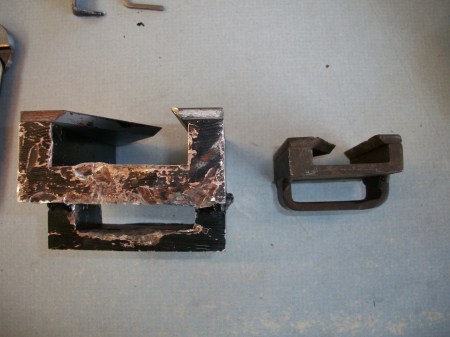
You can find a variety of thru-the-lock tools out there, they come any many different sizes, names, prices, and most importantly quality. This is a quick review on the differences in the tools and their limitations. We thought this would be a good way to start before we post some thru-the-lock articles later on down the line. Some of these tools differences are so slight they are hard to spot until you take a close look at them. To start you can see the first picture that gives us a look at the most common thru-the-lock tools.


We will start with some of the oldest generation of commercially sold lock pulling tools. The K-Tool was invented in the 1960’s when thru-the-lock entry was just becoming an option. Many of the oldest thru-the-lock tools were homemade out of modified pry bars. The increased security features being installed on doors is what drove the original thru-the-lock tools. The K-tool is still an effective tool but has a limited use which is making it outdated. This is due to tubular deadbolts becoming very common and the invention of newer lock pullers that can pull all cylinders. The K-Tool is limited to rim and mortise cylinders however it is very effective  and portable which has allowed it to perform for many years on these types of locks. The body of the K-tool is too shallow to fit over the common tubular deadbolts found today. That is where the R-tool comes in, the R-tool is essentially a bigger version of the K-tool. It has the same design and pulls cylinders in the same way. However with the larger body it can fit over the tubular deadbolts also. The biggest drawback of this tool is the size. It is very bulky and is difficult to get around cylinders when they are close to the jamb or covered by handles.  They are also much less portable due to their size. If you look below you can see the difference in the depth of the tools body.

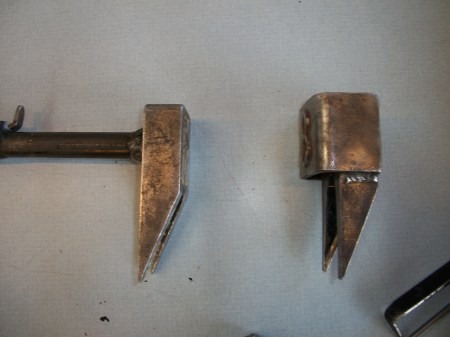
Below you see the Rex Tool and the Modified Rex Tool. These are some of the newest generation of lock pulling tools and in my opinion are the best ones you can use today. Because of their design you can pull any type of cylinder and also pull door knobs. Its slim design lets you reach locks that are under door handles or close to jambs.  The Rex-Tool is a great design and very effective tool however to take it one step further is the Modified Rex Tool.  The Modified Rex Tool is simply the cut off head of a Rex-Tool that has had a band welded on it. The band is made to fit a Halligan and is used in a similar fashion as the K-Tool. This makes it very portable and just as effective. It is simple to make and will be used much more because of having it with you and not having to go back to the truck. We have used it numerous times and had great success with this modified tool.

It is important to note that although the Rex-tool looks like the A-tool or O-tool (which we do not have pictures of) there is a big difference in their construction and how effective they are. You must look closely to tell the difference in the Rex-tool and the A-tool. Here are the main differences. The A-tool came out first, and they look like the Rex-tool having a handle that is connected to a head in the shape of a claw. The heads are smaller than the Rex-tool and have much less material that goes around the lock cylinders. The A-tool tends to slip easier when pulling cylinders and is difficult to use on tubular deadbolts compared to the Rex tool. The Rex tool  is  more expensive than the A-tool at almost double the price, but worth it for the way it performs. The easiest way to identify which tool you are buying or already have is by the shape in between the forks. The A-tool is like its name in the shape of an A. If you look at the picture above of the Modified Rex Tool you will see its signature shape is the U. This tapered U shape is a big reason the Rex-tool seats in locks so well and holds on while you pull. There are many other features that make one or the other better which we wont get into right now, this post was mainly to make it easier to identify the names and features of these tools. A quick note on the key tools and modified pliers. These perform the same functions of tripping the locks after we have pulled the cylinders. The advantage of the pliers is that you always have them with you. Many times the key tools will disappear out of the factory case they come in. The pliers are easy to make (which we will cover in another article) and work very well.

You can get into a lot more depth about these tools but that’s easier to do when explaining how to use them. This is just a way to get your terminology straight and recognize some of the differences between the tools. There are many other thru the lock tools available out there, but these are the most common. All of these were made by guys that ran into problems and came up with a better way to do things.

Windows That Lie

Posted 03/12/2010 by IRONSandLADDERS
Categories: 6. Building Construction/Hazards

Tags: , ,

Had a busy week around here so the last posts have been short and to the point. The windows you see here are not anything uncommon. We find buildings pretty regularly that have what appear to be windows but do not end up being usable. This post was just to show a couple of the better ones that we have found. It is a good reminder of the types of hazards we can find when we are out walking buildings.

This first picture only has an exterior view of the building. It is easy to see that instead of filling this exterior wall in with brick, the occupant decided to just frame right over the existing opening and cover it with drywall on the inside. There was no obvious signs of any windows in this room but had multiple openings on the outside.

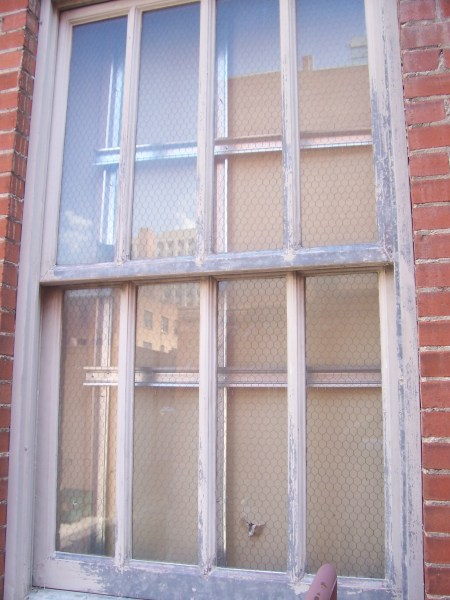
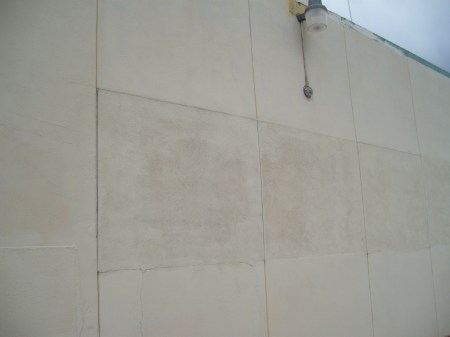
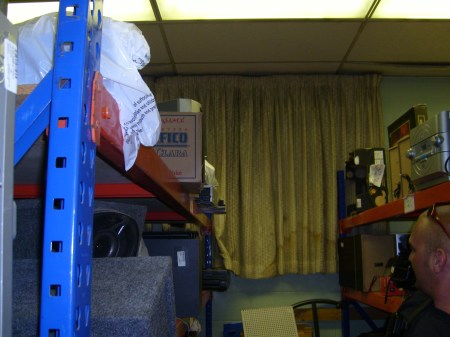
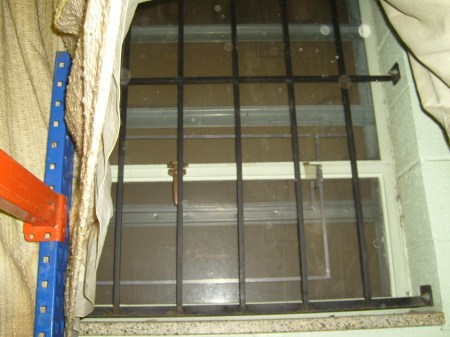
The second set of pictures has a reverse problem. The outside has been covered over, and if you look close you can see the outlines in the material showing where the old windows used to be. However on the inside if you were in need of an exit point you would still identify these windows as your closest egress. It has blinds, glass and window security bars still in place. Even if you were able to get through the bars you would then find the exterior wall of the building. This window was high off the ground and would be your least effective way out of the building. All the windows had been covered up in this fashion. 

Nothing big, just something to look at for the week.

Urban Firefighter Magazine

Posted 03/12/2010 by Angela Rainsberger
Categories: 7. Everything Else

Tags: , ,

Urban Firefighter Magazine Test Link